I.- Personal Entry: Regional and Family Heritage

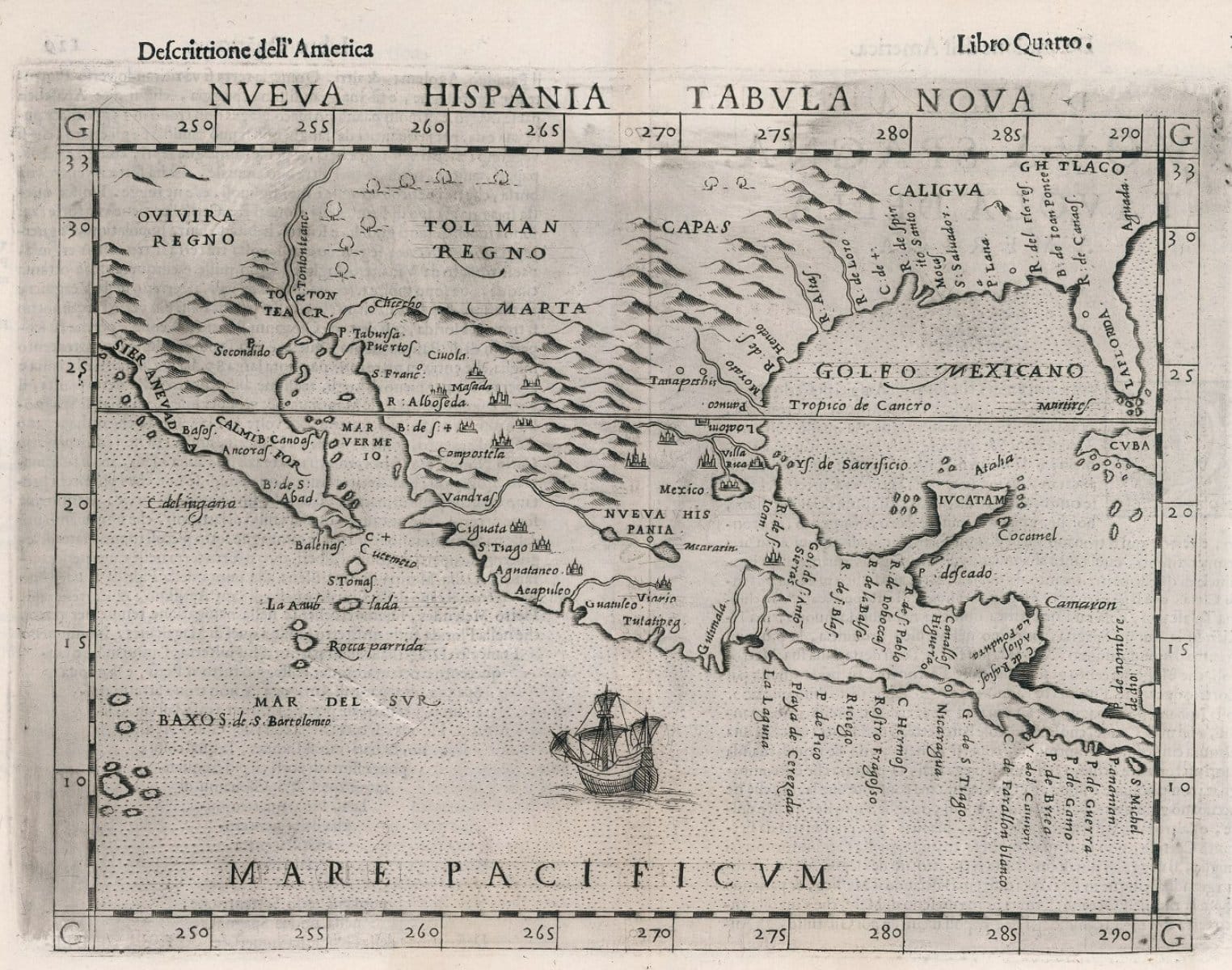
This blog is inspired by everything concerning North American trade integration relationship which goes far back in time, blurring with the historic territorial unicity of what was New Spain. Bear with me for a moment as we explore a part of my family and regional heritage, both being crucial in the shaping of my interests and motivational pursuit of this particular project.
My grandfather (born in Sonora; 1923) was a son of a man who fought in the Mexican Revolution; a series of revolts and sequence of armed regional conflicts, at some parts legitimate in its social and legal claims, bearing institutional fruits that gave shape to modern institutionalized Mexico of the XXth century. And in some others, that revolution was ruthlessly brutal as well as an opportunity for bandoliers and human violations of the most vicious kind to take place. There might be something ingrained in Mexicans that still resonates with the continuous nature of violence in the contemporary landscape.
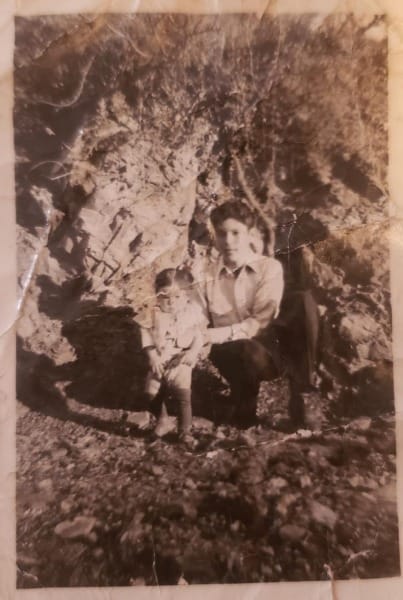
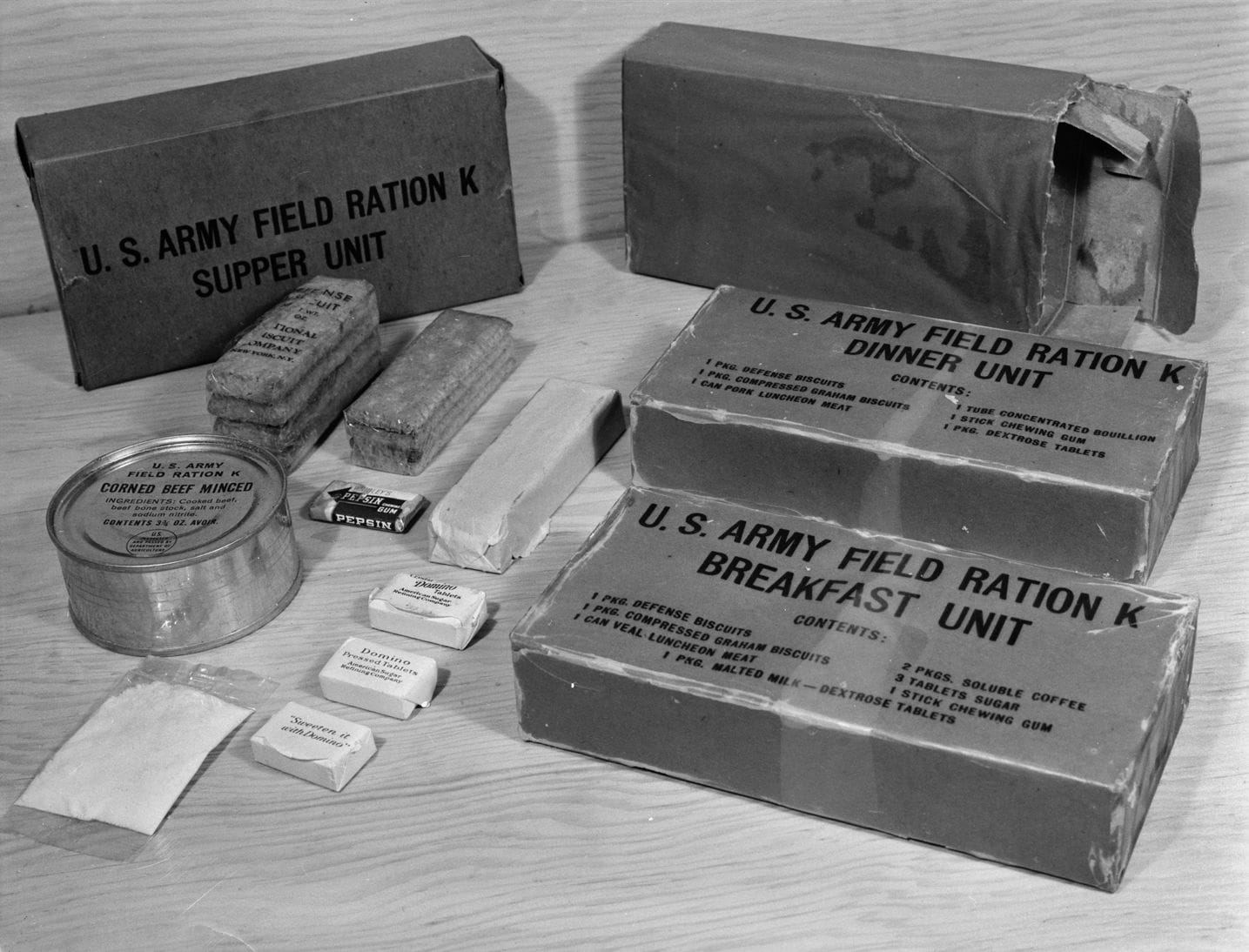
My grandfather, Luis Colosio F. was born in 1923, briefly 3 years after what many historians regard as the end of the civil conflict. He was raised in ranches in Arizona, since his father worked in mines near Tucson. At the time, border crossings and this type of labor took place without much law enforcement or registries (nor child services). Due to his father’s restless and opportunity seeking nature, as it was typical of the times, he learned different trades since childhood, scattered across different places between Sonora and Arizona, to make ends meet for him and his brothers or sisters. Near the age of 24, he went back to Sonora (a town called Magdalena de Kino; named as such after a venerable Italian missionary) for good and started working at a meat processing plant and cold storage facility which produced meat for the American war effort in Korea in the 1940’s (and its K Rations).
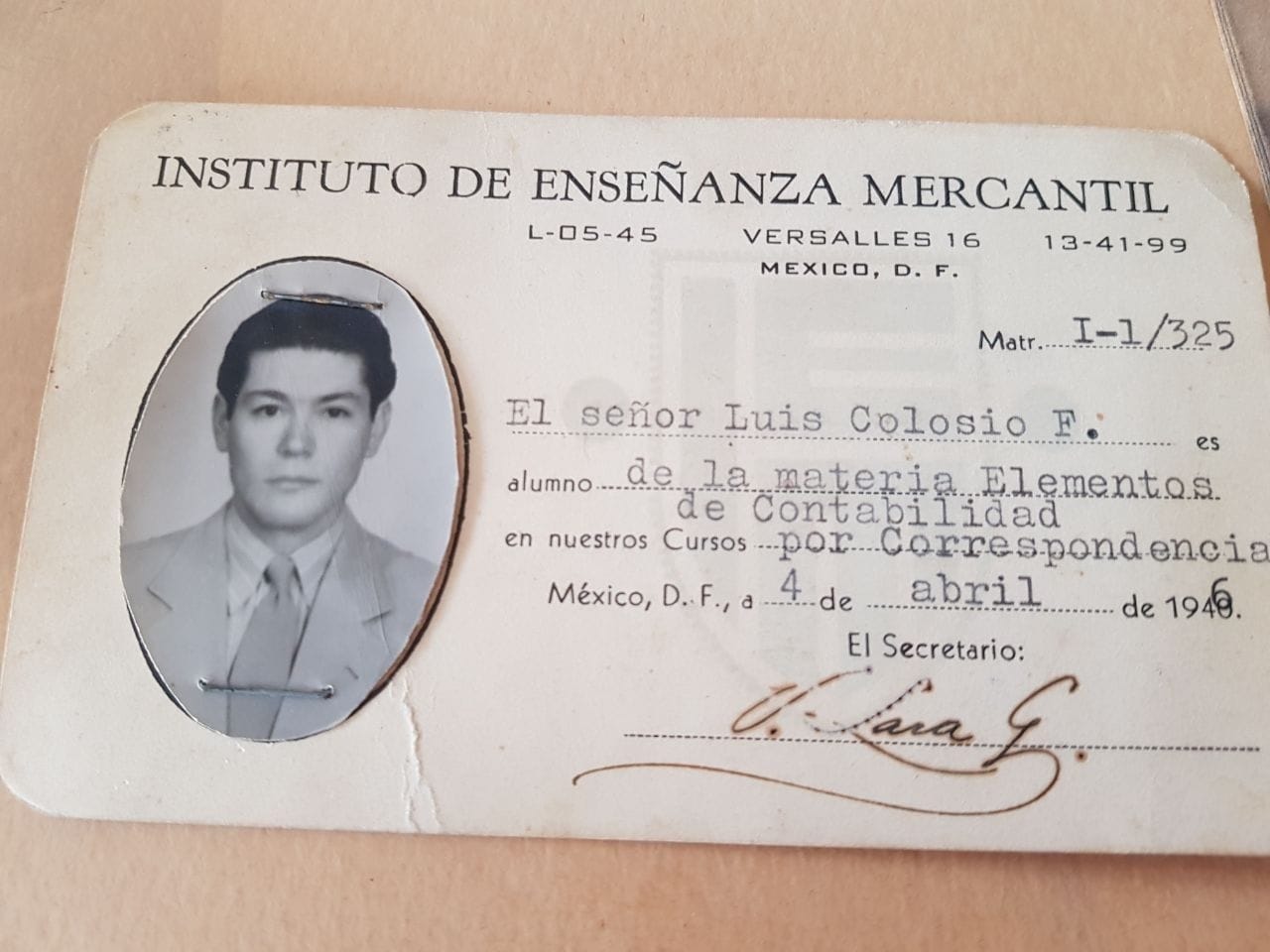
Back in the day, the Mexican Welfare State was still in formation; and many of the legacy infrastructure constructions that integrated far-away uncommunicated regions were taking place. The meat processing plant was good business, as many bovine exports are still today in Mexico, destined for U.S. consumption. My grandfather began in a starting position at the factory, doing all sorts of menial tasks, while studying bookkeeping through the evenings, as well as correspondence courses, a mail-order technical degree, becoming an avid autodidact in these and other areas.
At some point, an American of Scotch-Irish ancestry, named Donald (last name pending confirmation; starting with the prefix Mc.), was a supervisor who settled in Magdalena for some time. His presence there was tied to the growing need for certified quality and sanitary control in beef production, as buyers on the American side required stricter standards for their meat rations. Donald was likely responsible for training workers and overseeing the operational systems at the meat processing plant.
It was there and then that he and my grandfather developed a close mentorship relationship. At the time, my grandfather had already moved beyond the manual labor of the plant, having transitioned into accounting. As an outcome of their recently acquired Spanish and broken English respectively, Donald’s adaptation to Mexico and my grandfather’s experience as a laborer in Tucson, made it possible for them to forge a working relationship that evolved into friendship. My grandfather learned a great deal from this man—not only about work itself but also about the particulars of meat certification, accounting in depth, and business operations. As time passed, their interactions extended beyond the factory floor. Their connection was more than professional; it was built on mutual respect and shared ambitions. They would often meet for coffee and engage in long conversations about the region’s history, and broader perspectives on North America's panorama at the time. When the time came for Donald to return to Pennsylvania, where he was from, my grandfather had already married his wife (Armida Ofelia), a fellow factory worker, and was expecting his first child. As they bid farewell, the American remarked with curiosity, "Well, I’ve never heard this name anywhere in the Mexican countryside or the country for that matter—Donald." Donald left for the United States in 1949, never to return, but his legacy remained in Mexico. When my uncle—my grandfather’s eldest son—was born, my grandfather wrote to Donald, informing him that he had named his son "Luis Donaldo", after him.
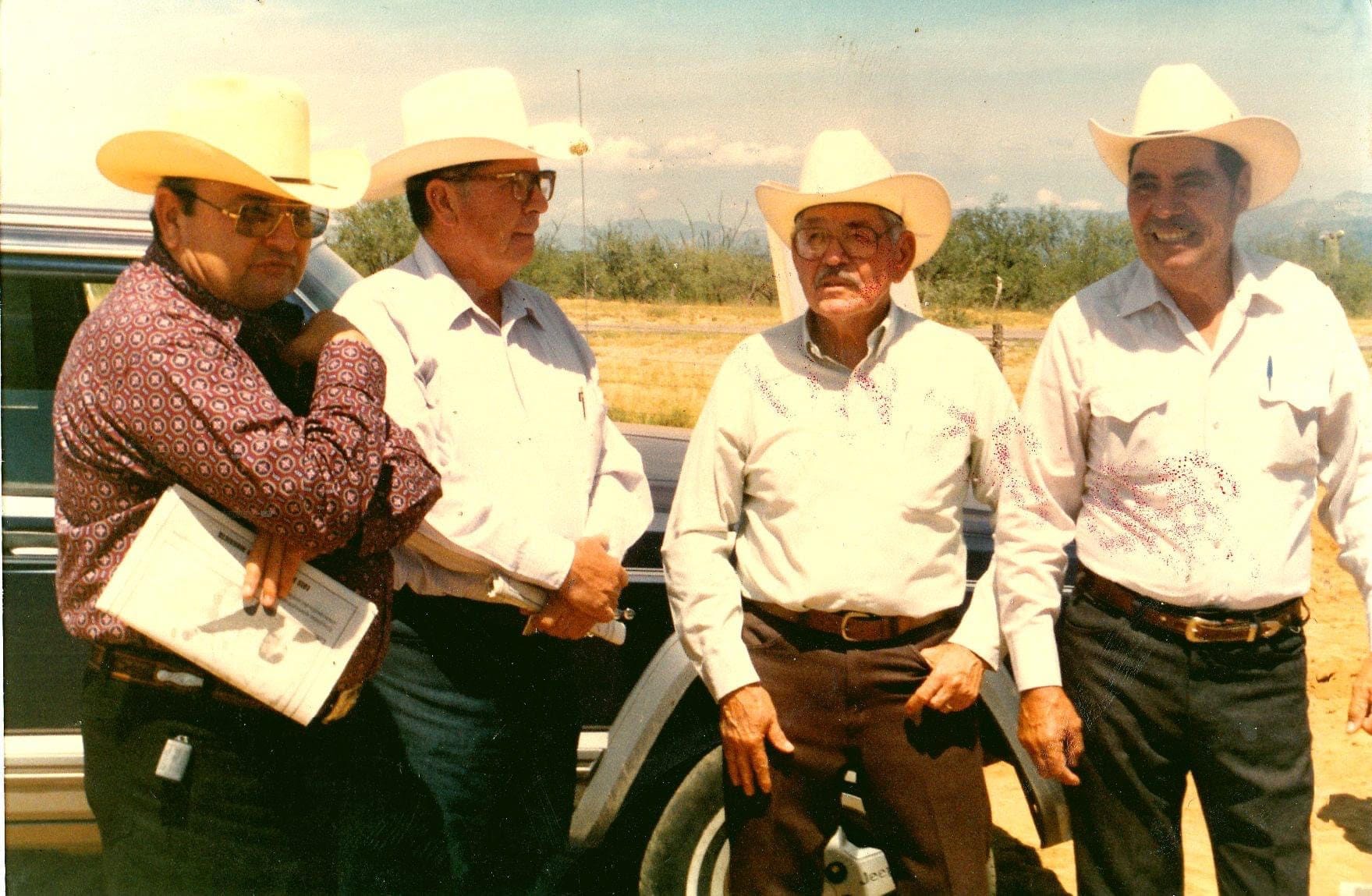
As the story was passed down, I was told by my grandad that Donald passed away soon after his return to the United States. He, in turn, soon left the meatpacking plant, choosing instead to work for prominent cattle ranchers as a middleman in livestock trade. His role was fattening cattle, coordinating their export to Nogales, Arizona, weighing the cattle, overseeing payments, and ensuring transactions.
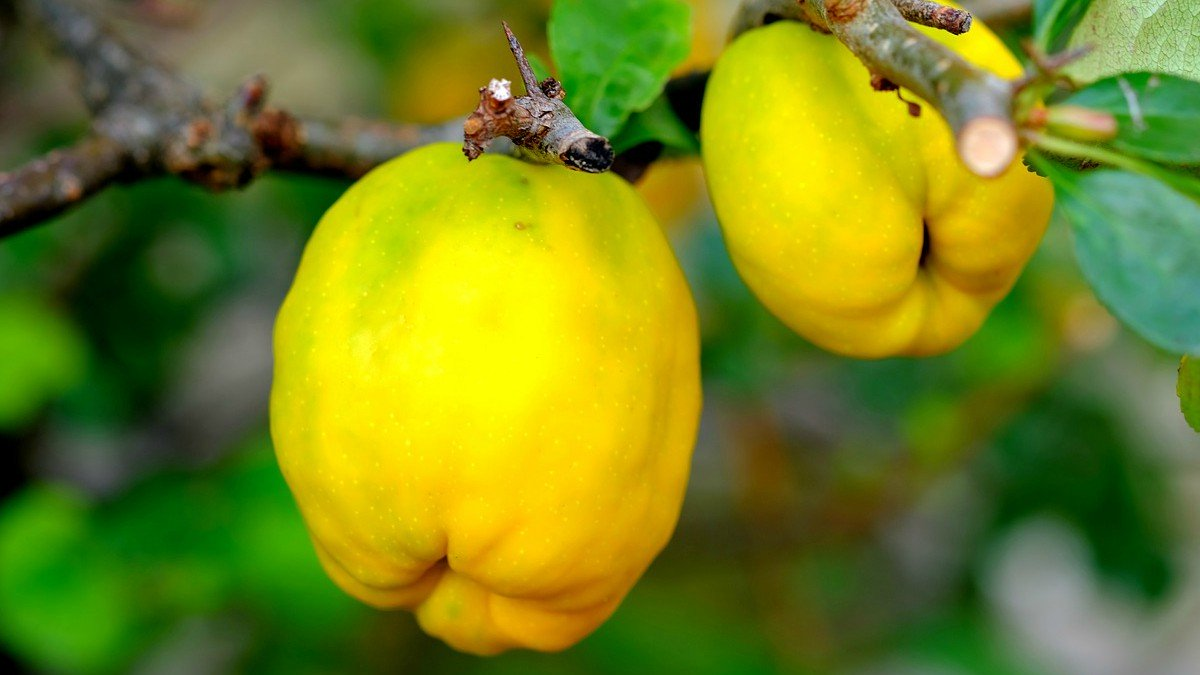
This shift marked the beginning of his entrepreneurial journey. Over time, he ventured into various trades—from river speculation and setting up a grocery store to cultivating a quince orchard (cydonia oblonga, a fruit introduced to Mexico during the New Spain period by Portuguese, Italian, and Spanish missionaries, now a regional delicacy).
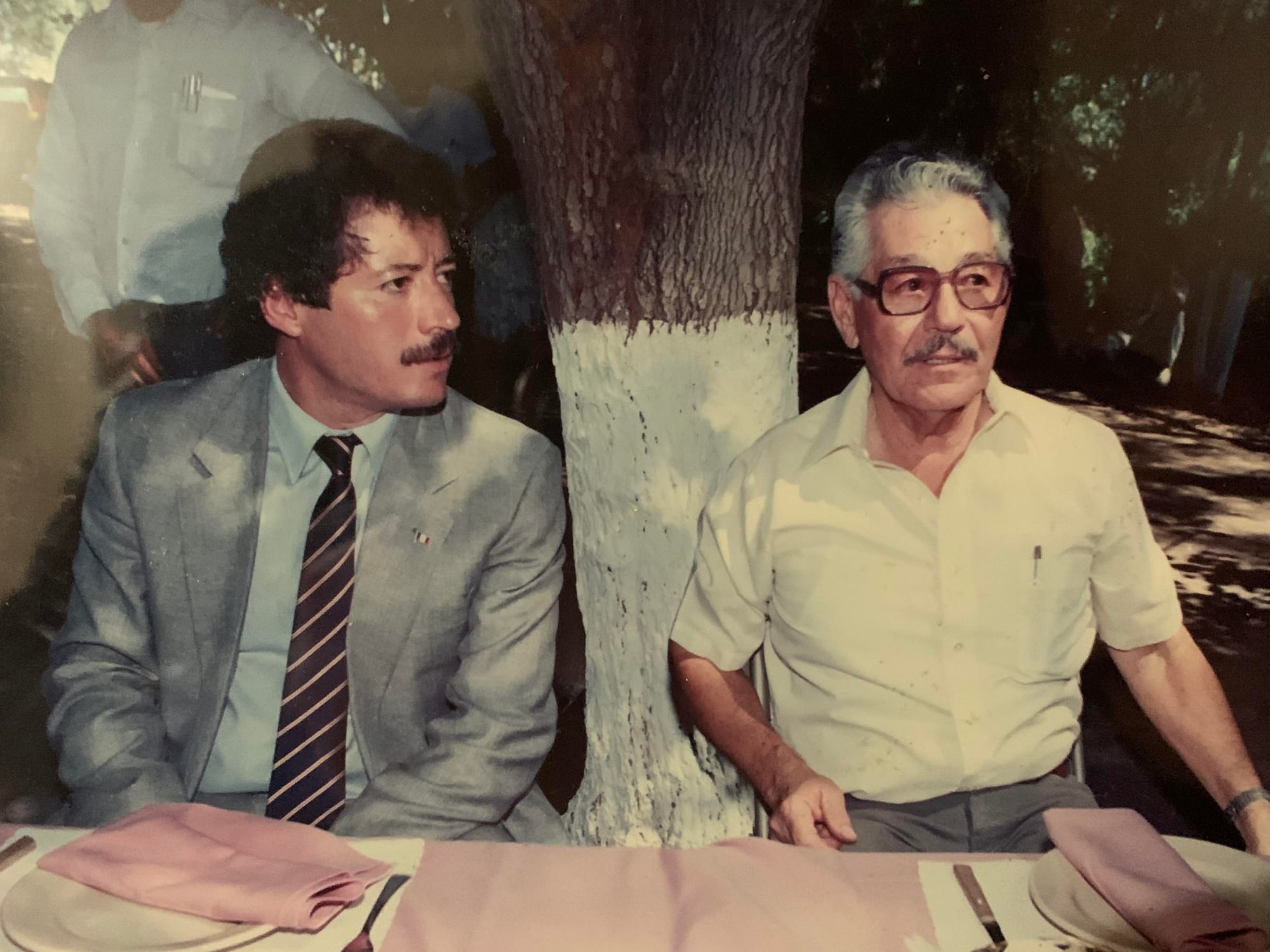
Through these endeavors, he raised a family of six children—my father among them. His firstborn son, Luis Donaldo, grew up to be quite a remarkable man. He pursued economics at the Tecnológico de Monterrey—an institution founded on aspirations similar and currently shared goals as well as collaborative efforts with MIT in Massachusetts. He furthered his studies in regional development at the University of Pittsburgh and later did at the University of Pennsylvania. His intellectual path also led him to IIASA in Laxenburg, Austria during the 1970's, for a pre-doctoral fellowship, an institution dedicated to tackling global economic and policy challenges. Luis Donaldo became a public servant in the 1980’s, budget official, congressman, senator, federal secretary, and ultimately, a presidential candidate of Mexico (1994).
When I was a young child, I began my early education in bicultural institutions that were installed through the Ford car manufacturing plant in Sonora, learning English and being taught, somewhat oddly, Yankee Doodle or the Ants Go Marching (Johnny Comes Marching Home) in parallel with the pledge of allegiance to our flag and Mexican anthem. I have a profound admiration for the shared literary, musical, and historical heritage, product of the United States and Mexico's interlocking cultures. The Northern Mexican regional background, its diverse activities, cattle raising, agriculture, mining in the Sierra Madre; somehow all of this + my parents' family background led me to complete an undergrad in economics at ITAM. The summary of my family heritage plus my personal and educational journey since early childhood, gave shape to my particular interests and pursuits, eventually leading me to complete an undergrad in economics at ITAM. I spent most of my time as an economic analyst in different government sectors and the central bank before pursuing a graduate degree at the Harvard Kennedy School (HKS) in public administration and international development; mainly driven there because of my interest in regional development, industrial policy and growth.
I owe much to North American integration, and acknowledge different veins in this regard. I look forward to writing more extensively about it in the following personal posts in light of current affairs affecting this vast region.